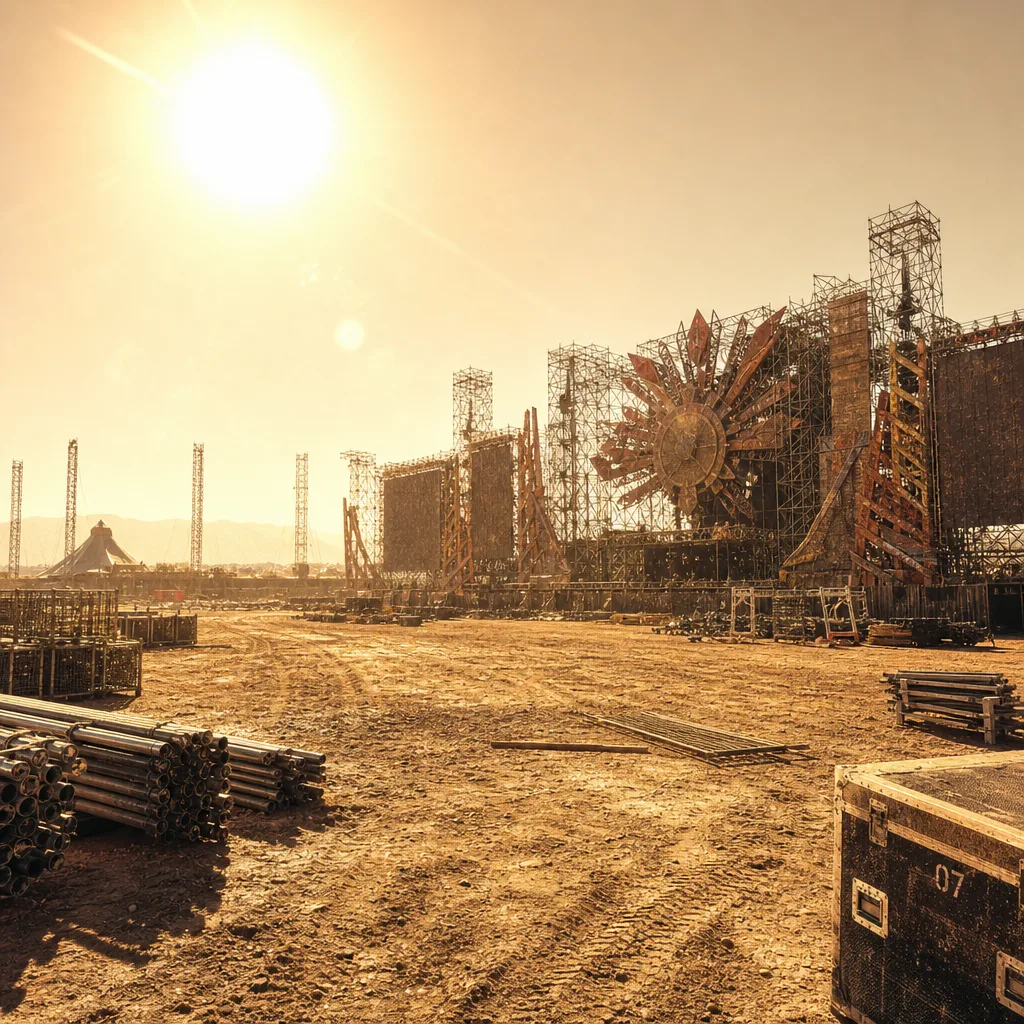
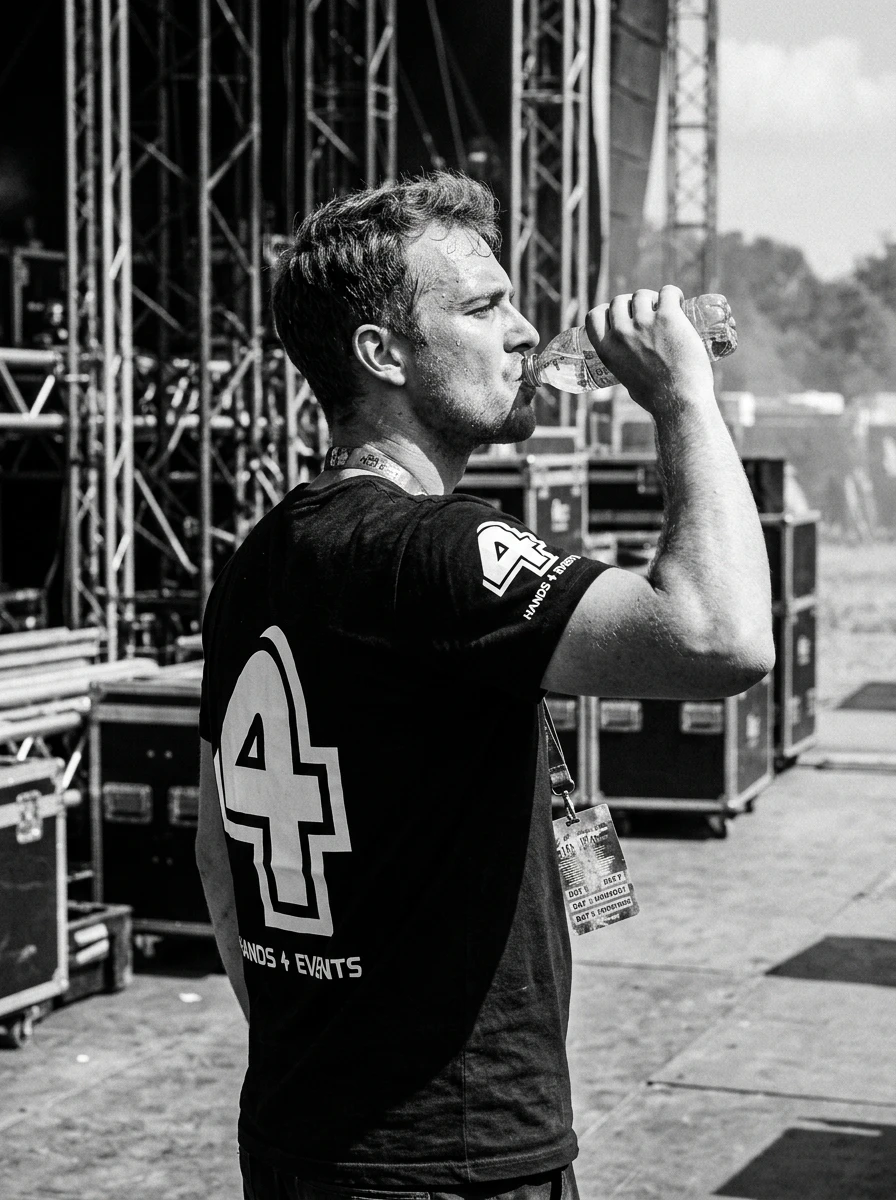
Heat on the job is not a comfort issue, it is a health risk. Recognise the symptoms, know the right response and apply the prevention rules.
LEVEL 01: MILD
HEAT CRAMPS
Muscle cramps from salt and fluid loss.
SYMPTOMS
›Body temperature normal
›Heavy sweating during exertion
›Cramps in hands, calves, thighs, arms
›Painful, hard, tense muscles
WHAT TO DO?
›Take a break, rest
›Drink ORS or a salty fluid
›Light massage of the muscle
›Do not skip meals
LEVEL 02: MODERATE
HEAT EXHAUSTION
The body is losing too much fluid and salt.
SYMPTOMS
›Body temperature rising < 40 °C
›Heavy sweating, racing heartbeat
›Headache, dizziness, nausea
›Weakness, fainting, hyperventilation
›Sunstroke: red, painful skin
WHAT TO DO?
›Move to a cool space, legs up
›Remove excess clothing
›Cool with wet cloths, fan, AC
›Cool water (12–15 °C) in small sips + ORS
›Symptoms > 24 h or T > 38 °C → doctor
LEVEL 03: FATAL RISK
HEAT STROKE
MEDICAL EMERGENCY! CALL 112
SYMPTOMS
›Body temperature > 40 °C
›Hot, red, dry skin, sweating stops
›Confusion, aggression, delirium, coma
›Headache, vomiting, sometimes seizures
›Risk of shock, kidney failure, cardiac arrest
WHAT TO DO?
›CALL 112 ! Immediately
›Remove all clothing, cool aggressively
›Spray with cold water (15 °C), ventilate
›If conscious: small sips of cool water
›The faster the cooling, the higher the survival rate
EMERGENCY PROTOCOL
WHAT TO DO?
01
WATCH YOUR CREW
Look for confusion, dry red skin, headache, dizziness. When in doubt: stop, cool down, report.
02
REPORT IMMEDIATELY
See signs of a heat illness in yourself or a colleague? Report it to your crew chief or on-site contact.
03
COOL AGGRESSIVELY
In case of heat stroke: the faster the cooling, the higher the chance of survival. No half measures.
RISK FACTORS
KNOW THE ENEMY
PERSONAL
·Dehydration
·Alcohol, coffee or sugary drinks
·No acclimatisation (first 2 weeks)
·Medication, age, overweight
·Skipping meals (salt loss)
ENVIRONMENT
·T > 25 °C / heat wave
·High humidity
·Direct sun, little shade
·Reflective surfaces (asphalt, stage)
·Enclosed spaces / cabins
WORK
·Heavy physical labour
·Long shifts without breaks
·Carrying loads or climbing
·Heavy workwear, PPE (helmet, harness)
·Working at height without shade
PREVENTIONSTRATEGIES
BEFORE & DURING THE SHIFT
HYDRATION
Drink before you feel thirsty: 125 to 250 ml every 15 minutes during heavy exertion. Cool water 12–15 °C. Avoid alcohol, coffee and sugary drinks. Eat 3 meals to make up for salt loss.
WORK PLANNING
Plan heavy tasks before 11:00 and after 16:00. During a heat wave: shorter shifts, more breaks.
ENVIRONMENT & PPE
Seek shade as much as possible (tent, parasol, tarp) and a cool rest area. Wear light, breathable, light-coloured clothing. Change soaked clothes. Use at least SPF 30+, reapply after heavy sweating and at least every 2 hours.
SPOT & REPORT
Look out for each other. Never work alone. When in doubt: stop, cool down, drink, report. In case of heat stroke (T > 40 °C, confusion, no more sweat): call 112 immediately.
112
EXTRA TIP — INSTALL BEFORE THE SHOW
INSTALL THE 112 BE APP
With the official 112 BE app you call police, fire or ambulance in one tap. Emergency services also see your exact location right away. Crucial on a festival site or in a venue where you do not know the address by heart. Free on the App Store and Google Play.
REPORT IT TO YOUR CREW CHIEF IMMEDIATELY IF YOU SEE SIGNS OF A HEAT ILLNESS.
PEAK HOURS
12:00 – 16:00
COOLING
Shade + airflow
HYDRATION
125–250 ml / 15 min
EMERGENCY
112
Sources: Belgian Code on Well-being at Work, Book V Title 1 (Thermal environmental factors); Mediwet — Heat and prevention (2016), Thermal environmental factors for outdoor work (2017), Working in cold/heat (2018); RMI heat wave definition. Hands 4 Events — Risk Analysis v5.